



White goods in transformation: monochrome and matte finishes redefine cooker design
2025–2026 white goods trends: monochrome design, matte finishes and new possibilities for porcelain enamel on pan supports and burner caps.
The finish is no longer a detail — it becomes part of the product's identity. The international home appliance market is consolidating a shift in the visual language of kitchens. Glossy surfaces, strong contrasts and the dominant presence of stainless steel remain relevant, but they now share space with a more understated, integrated aesthetic: monochrome colors, deep tones and matte finishes.
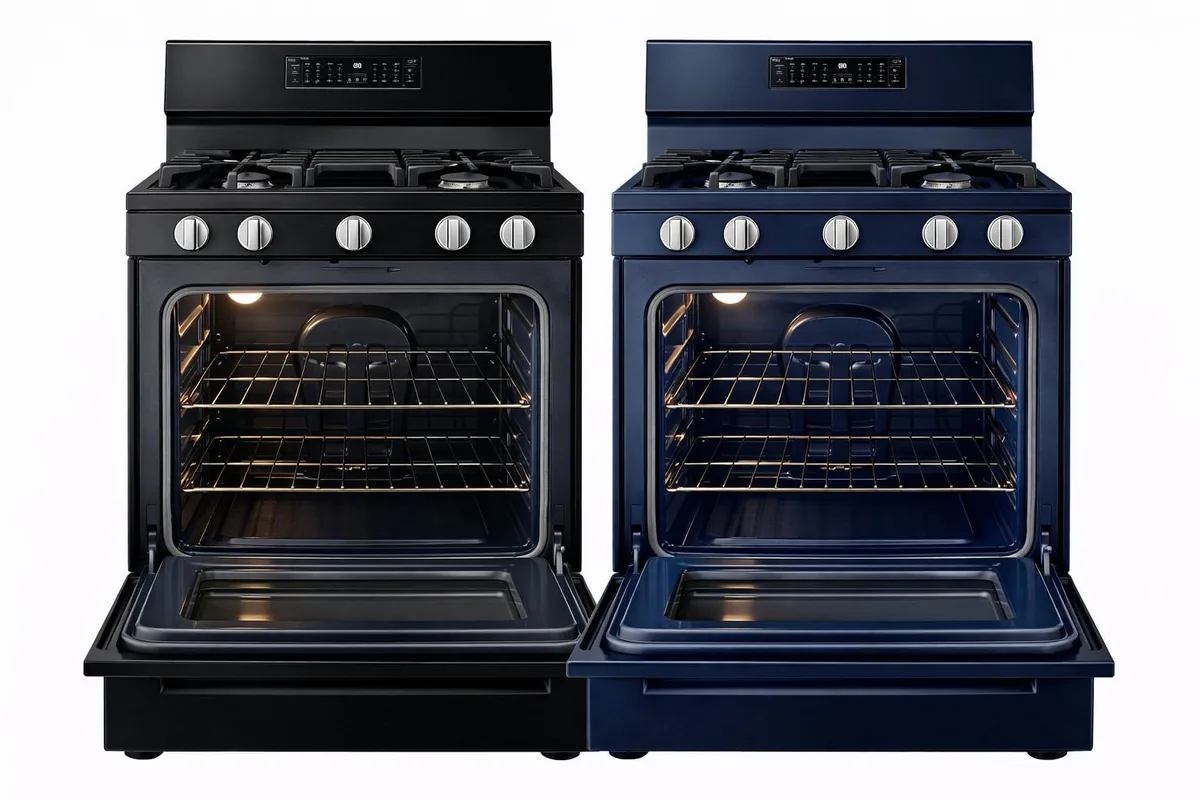
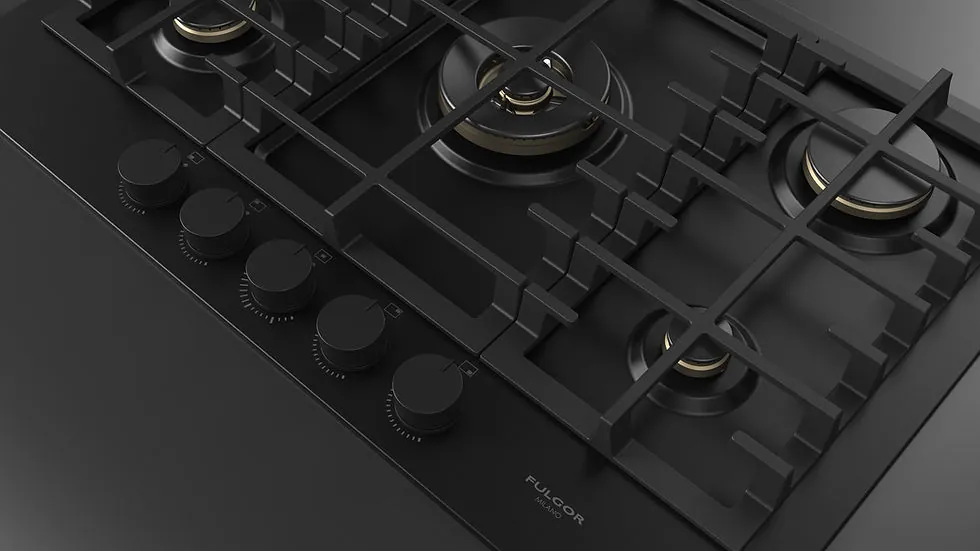
Trends observed in 2025 and 2026, especially in the European market and in the mid-range and premium segments, show a growing presence of low-reflection surfaces and compositions in which the cooktop, burners, pan supports, burner caps and knobs share the same visual language.
The strength of monochrome
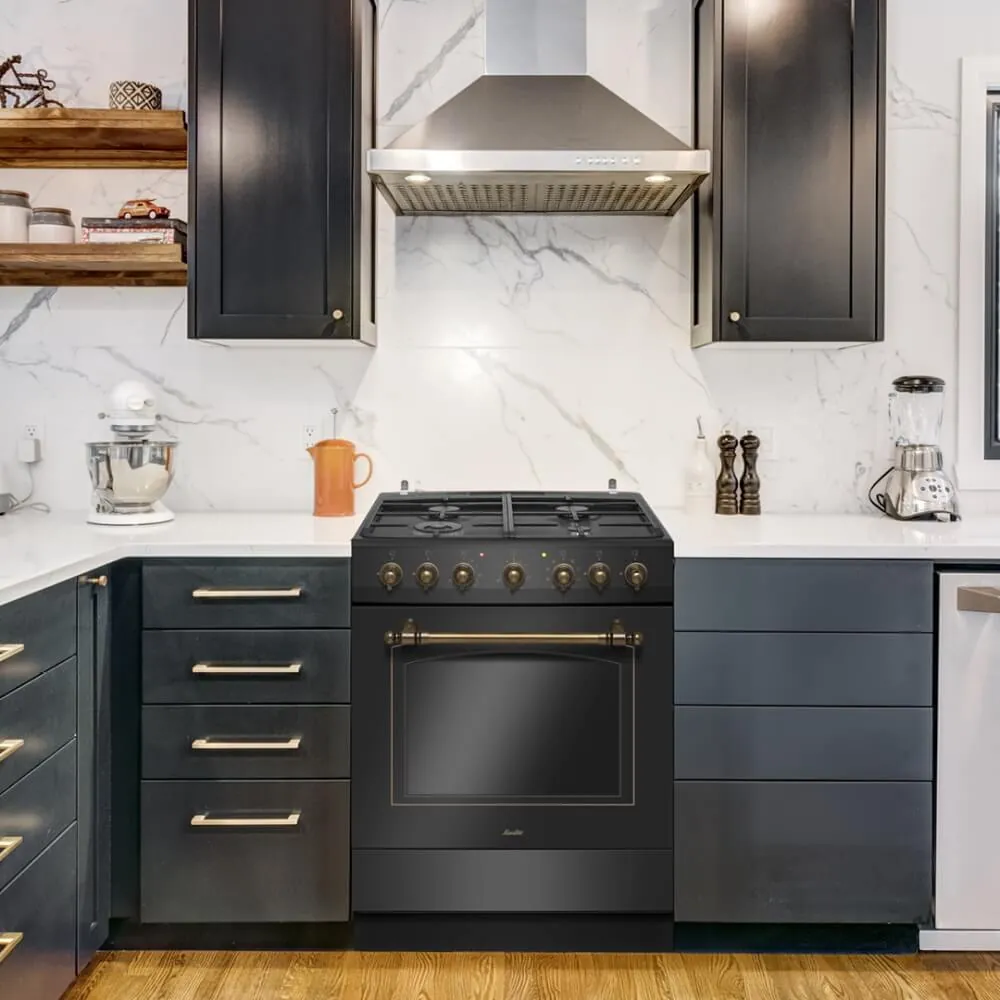
One of the hallmarks of this new language is the pursuit of visual continuity. Instead of using each component as a contrasting element, contemporary design tends to bring surfaces and accessories together within a single color family.
Black remains the lead color, but it takes on new interpretations: deep black, graphite, anthracite and mineral tones, often paired with lower gloss levels. The result is a product with a cleaner, more technical and sophisticated look, suited to contemporary kitchens and to combinations with stone, wood, marble, cementitious surfaces and satin-finish metals.
Matte takes center stage
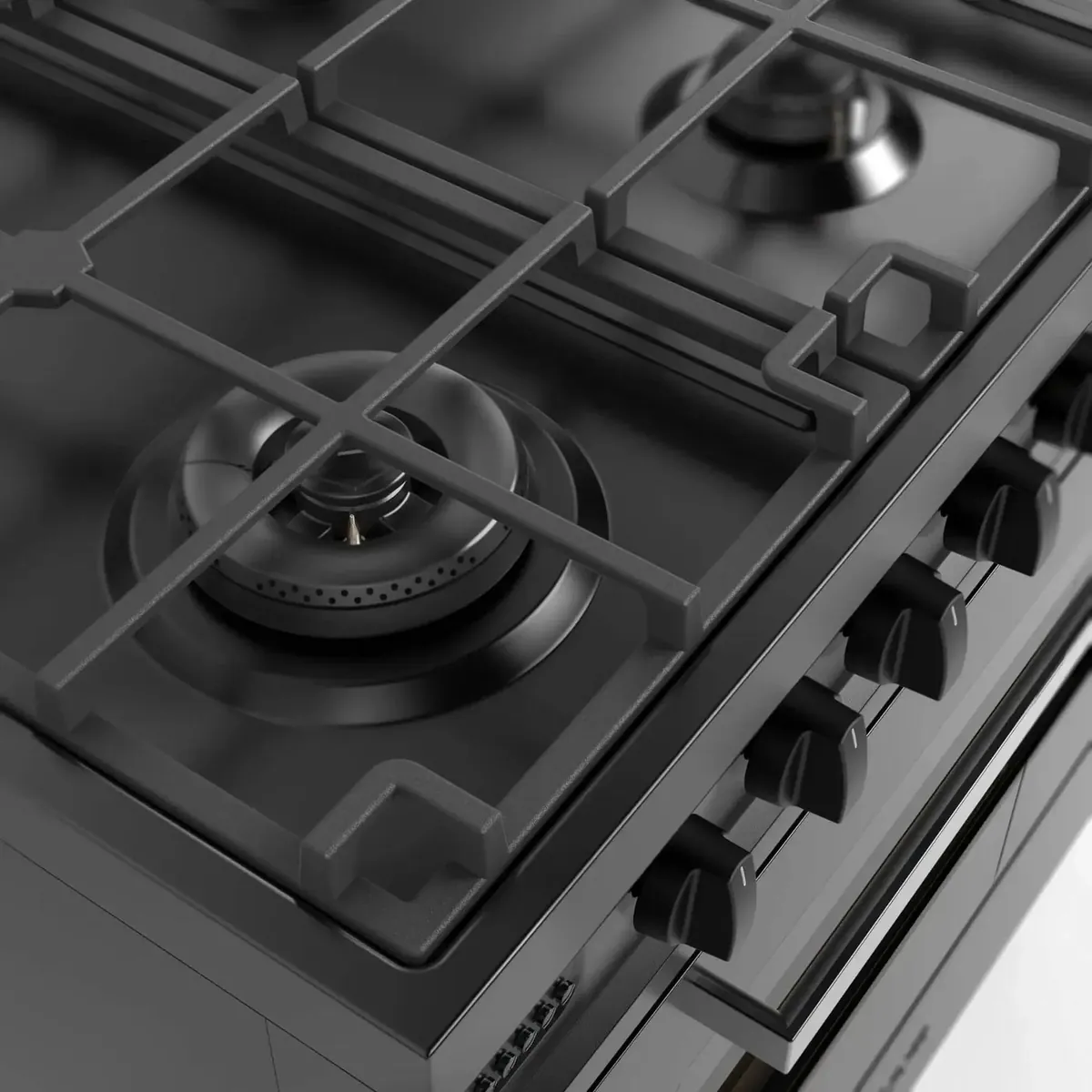
In the European market, matte finishes are gaining ground mainly in higher-value cooktops and cooking appliances. Beyond aesthetics, low-reflection surfaces contribute to a more uniform and understated visual perception.
This movement shows that color, texture and gloss level are becoming design variables, not just surface characteristics. The trend is also beginning to broaden the palette towards graphite, mineral greys and other tones that help the appliance blend into its surroundings.
From cooktops to pan supports and burner caps
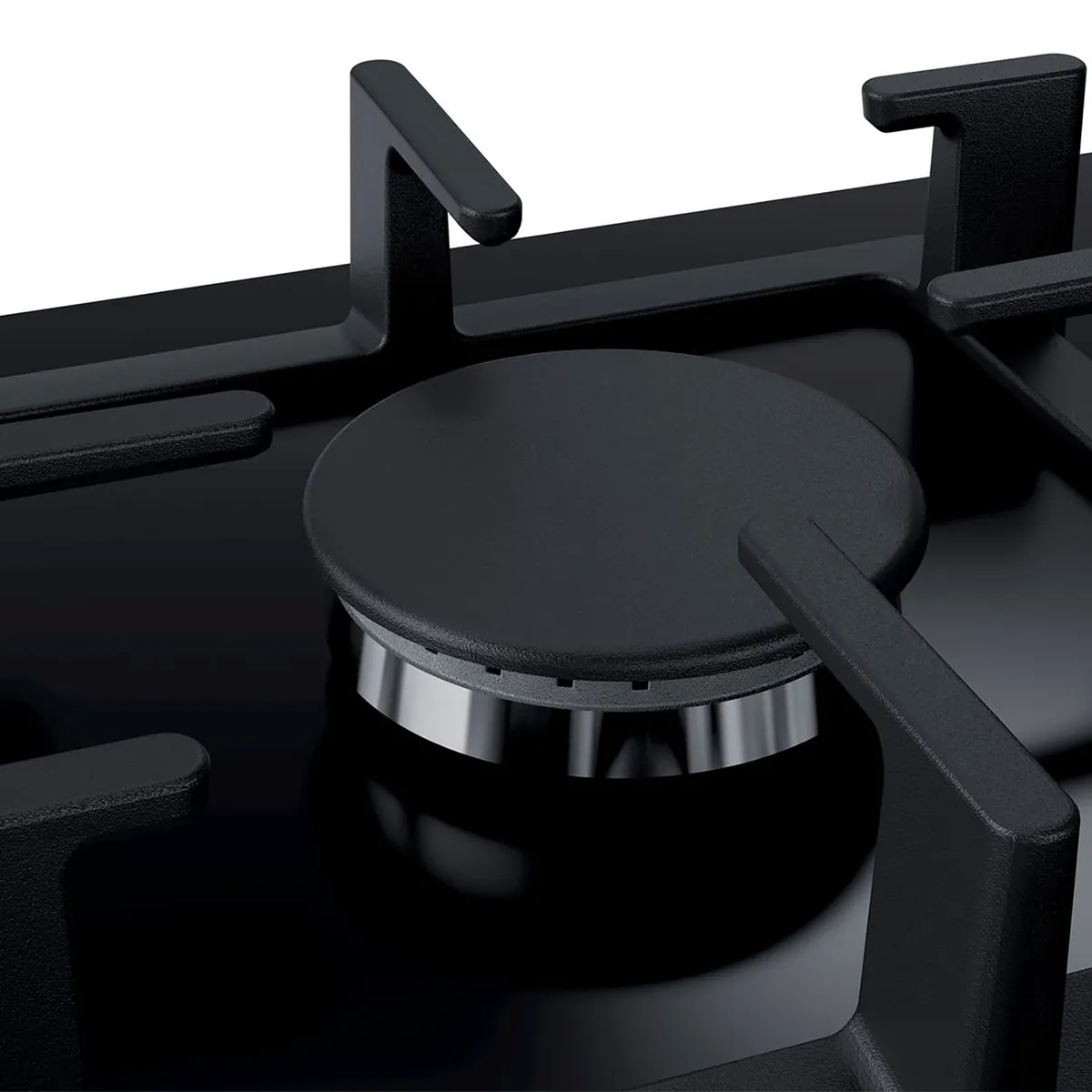
It is in gas cookers and cooktops that this trend creates particularly interesting opportunities for the enameling industry. Pan supports and burner caps take up a significant share of the product's visual area and directly influence the perceived quality of the whole.
When the cooktop, burners, pan supports and burner caps share similar colors, textures and gloss levels, the product gains a more uniform composition. Porcelain enamel thus goes beyond its traditional role of protecting the metal substrate and becomes a direct part of the appliance's visual identity.
The technological challenge behind the finish
Producing a high-performance matte enamel involves much more than simply reducing gloss. Pan supports and burner caps operate under severe conditions, subjected to thermal cycling, heat exposure, food residues, cleaning agents and repeated use.
Visual control
Consistent color, texture and gloss level.
Thermal performance
Adhesion and stability under service conditions.
Resistance
Appropriate chemical and surface behavior.
Repeatability
Uniformity across batches and components.
In a monochrome composition, small differences between neighboring components become more noticeable. That is why control of the enamel and of the application process becomes part of the design project itself.
From matte black to a new palette
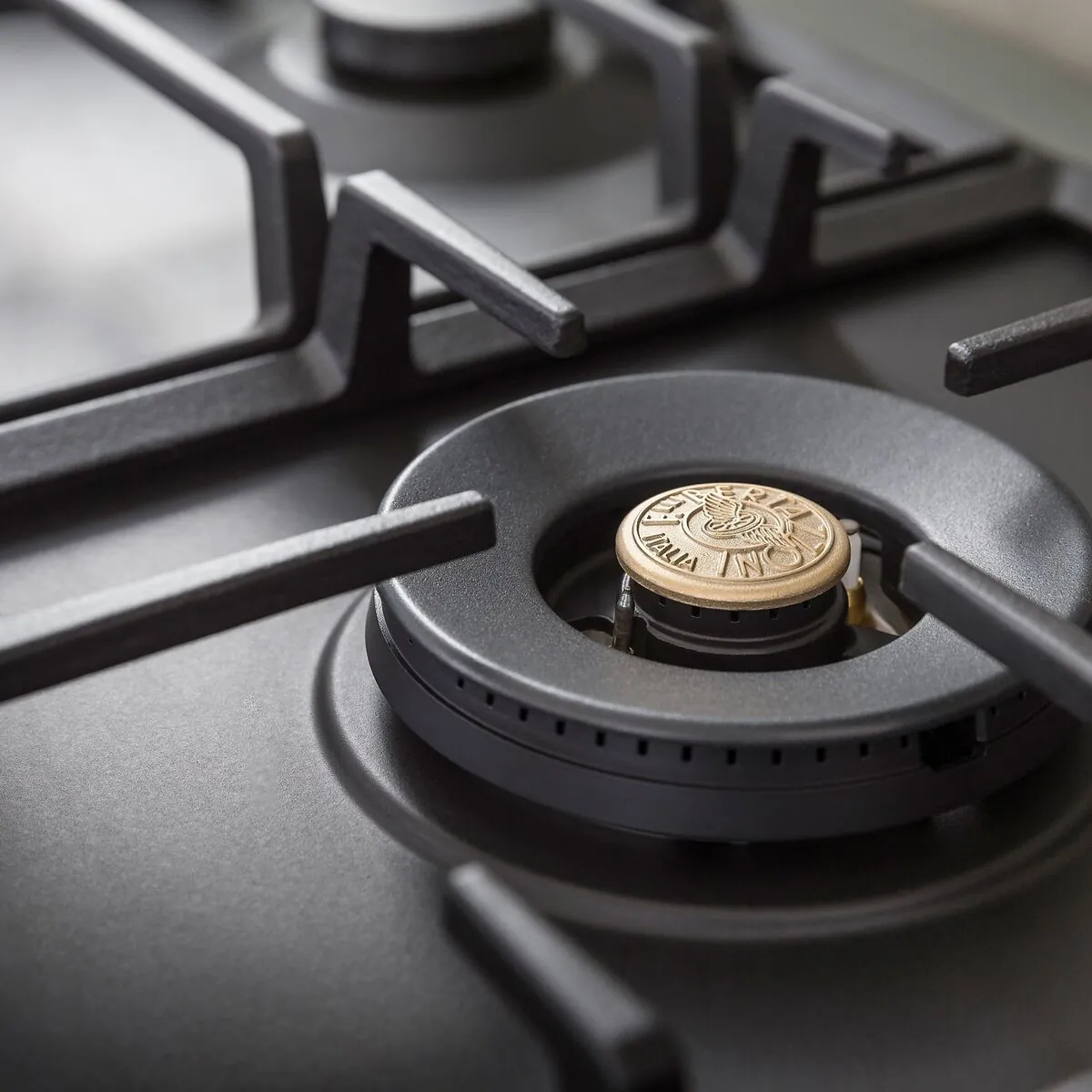
Although matte black is currently one of the most visible expressions of this trend, the movement points to broader possibilities. Graphite, anthracite, mineral greys and other low-reflection tones can form new families of finishes for pan supports, burner caps and other hob components — see the enamel families for these components on our Market page.
In the Brazilian market, this evolution is an opportunity to increase differentiation in white goods. Glossy surfaces, stainless steel and traditional contrasts remain important, but matte and monochrome finishes can offer a more contemporary language, especially in higher-value product lines.
Porcelain enamel: a tradition that keeps pace with contemporary design
For the white goods industry, the trends observed in Europe and internationally show an ever closer relationship between materials engineering and industrial design.
Consumers notice the surface first. Industry has to guarantee everything behind it: adhesion, resistance, stability, repeatability and industrial performance. It is at this meeting point of aesthetics and engineering that porcelain enamel continues to prove its capacity to evolve.