



Enamelware: tradition, beauty and function in the kitchen
History, features and advantages of enameled cast iron and steel cookware — pots, pans, roasters and mugs — and how enamelware compares with other materials.
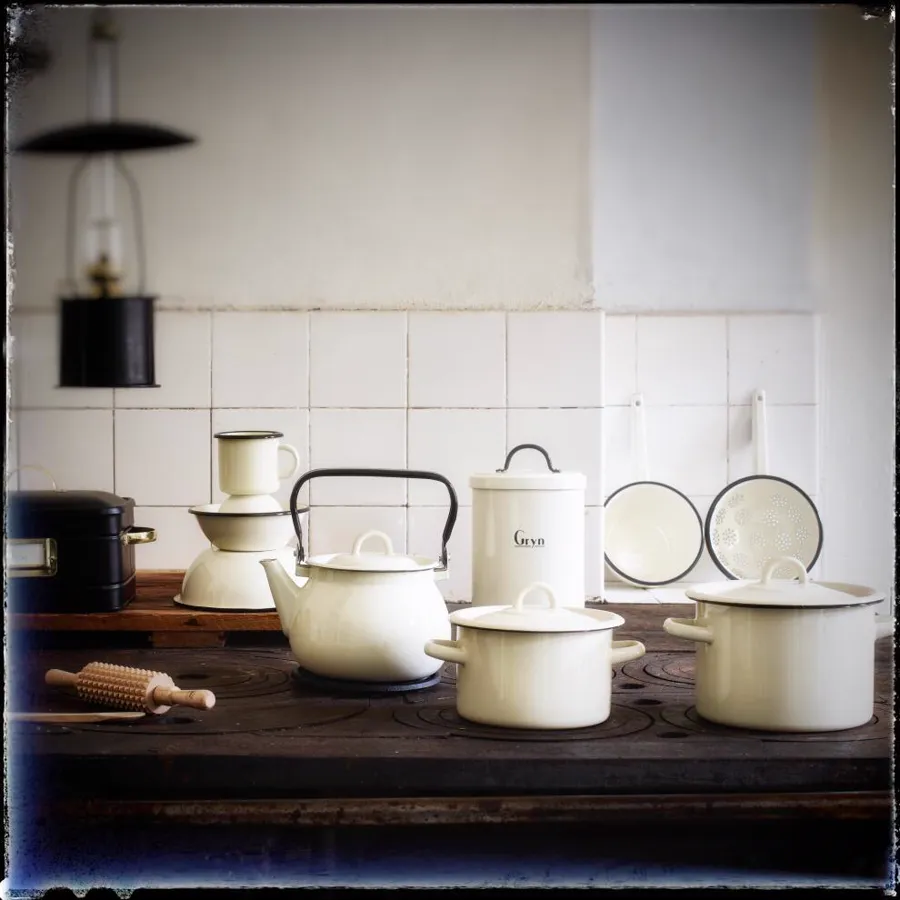
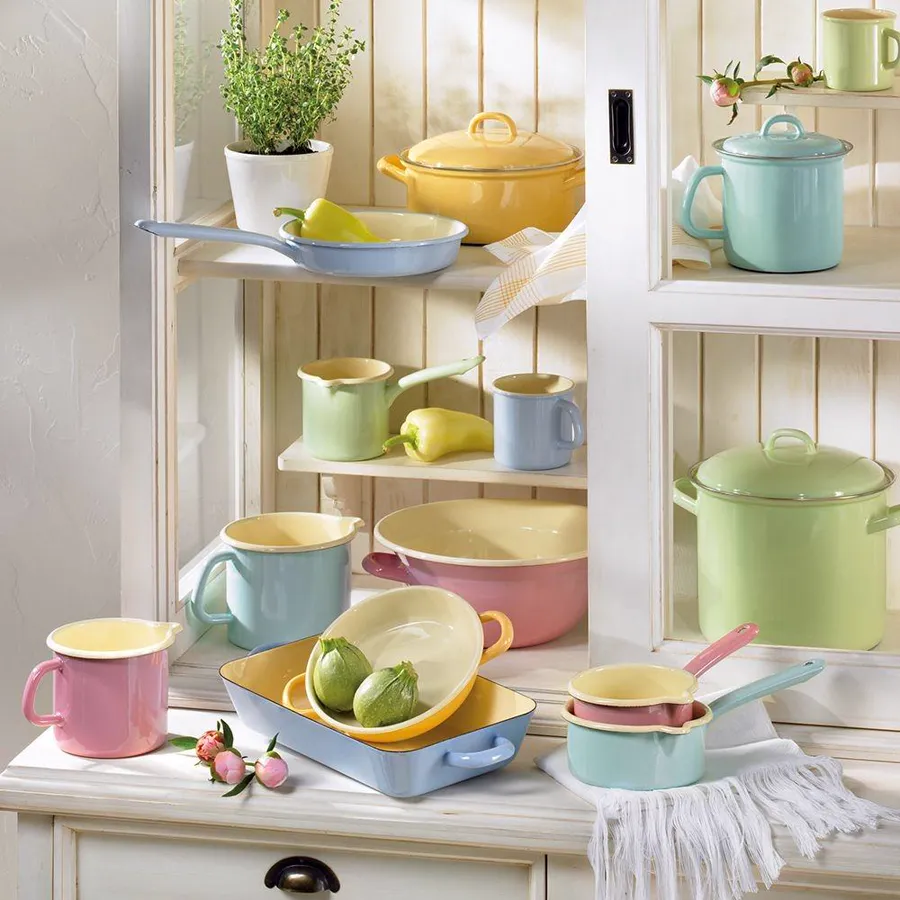
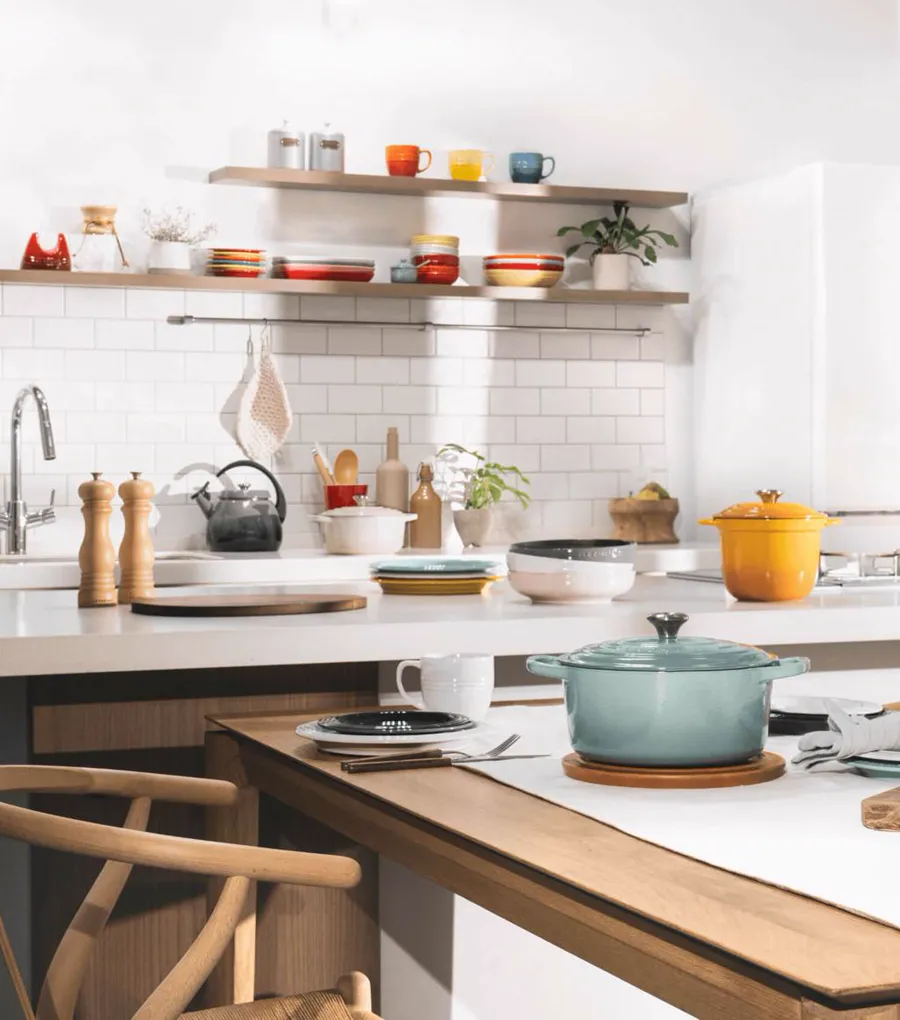
Found in kitchens for generations, enameled iron and steel cookware has stood the test of time and keeps winning a place in today's homes. Pots, frying pans, roasters, mugs, cups and other items combine the strength of metal with the beauty and function of a vitreous coating.
More than an aesthetic choice, enamelware brings together tradition, technology and practicality, offering an option for anyone looking for cookware that is durable, easy to clean and suitable for food contact.
What is enamelware?
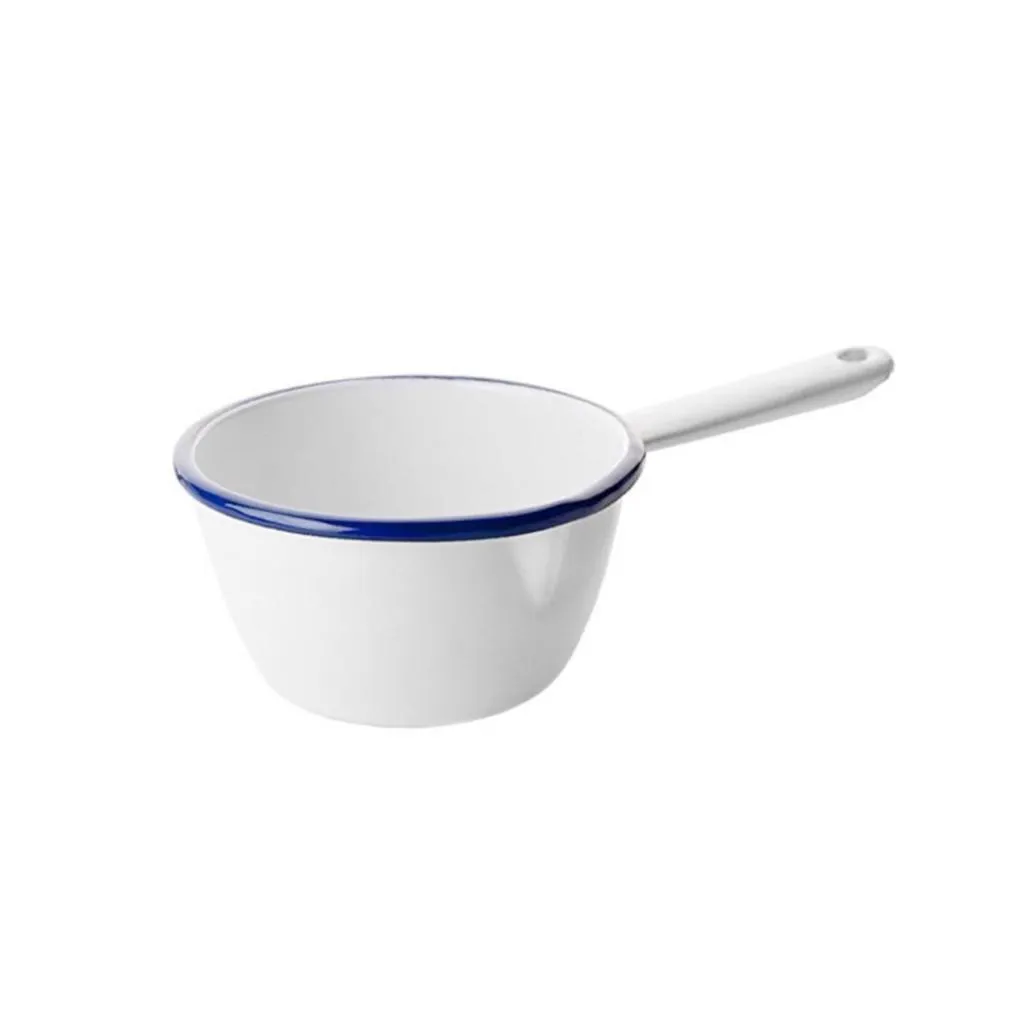
Enamelware is cookware made on a metal base, usually steel or cast iron, coated with a layer of porcelain enamel. The coating is made from mineral raw materials that, at high temperatures, melt and form a glass-like surface firmly bonded to the metal.
The result is a product that combines the structural strength of metal with the properties of a vitreous coating: a smooth surface, low porosity, easy cleaning and a wide range of colors and finishes.
Unlike conventional paint, porcelain enamel is fused onto the metal in an industrial firing process, forming a strong, long-lasting coating when used and cared for properly.
A story spanning generations
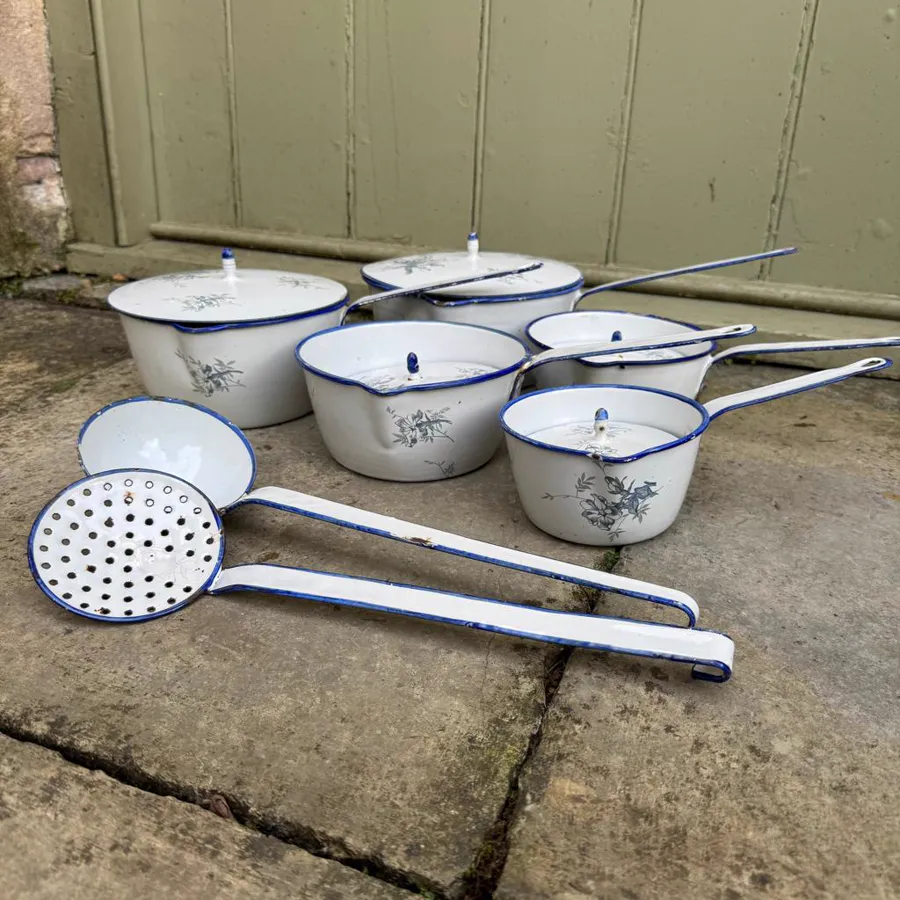
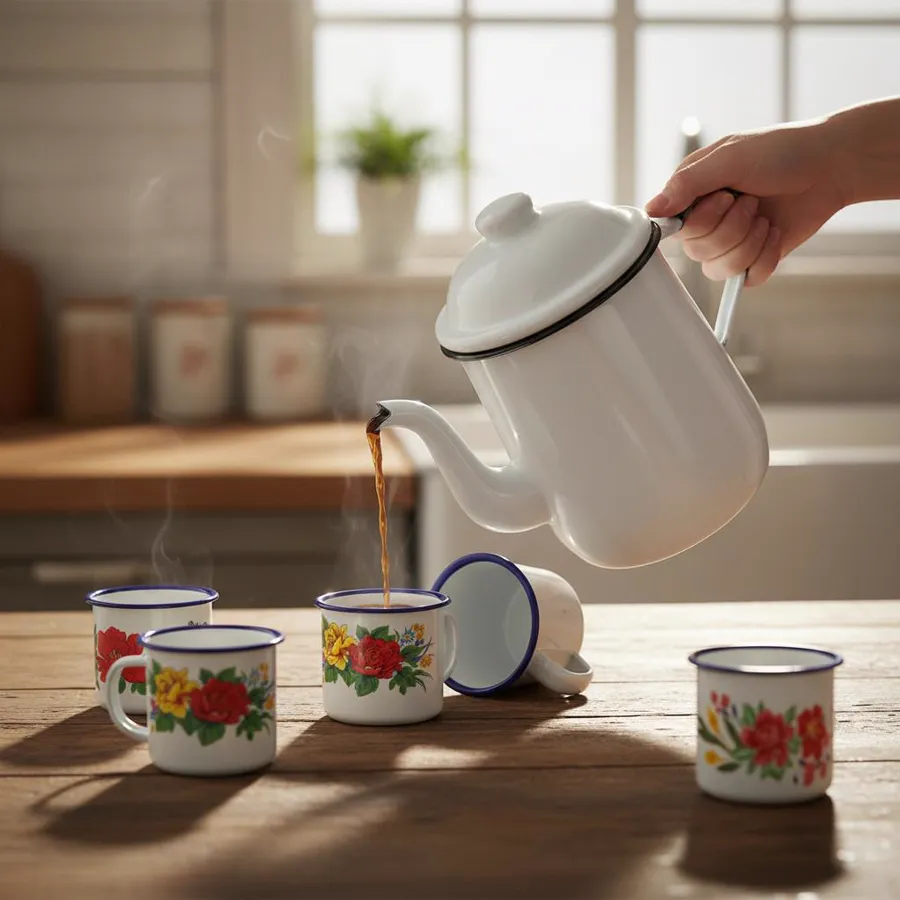
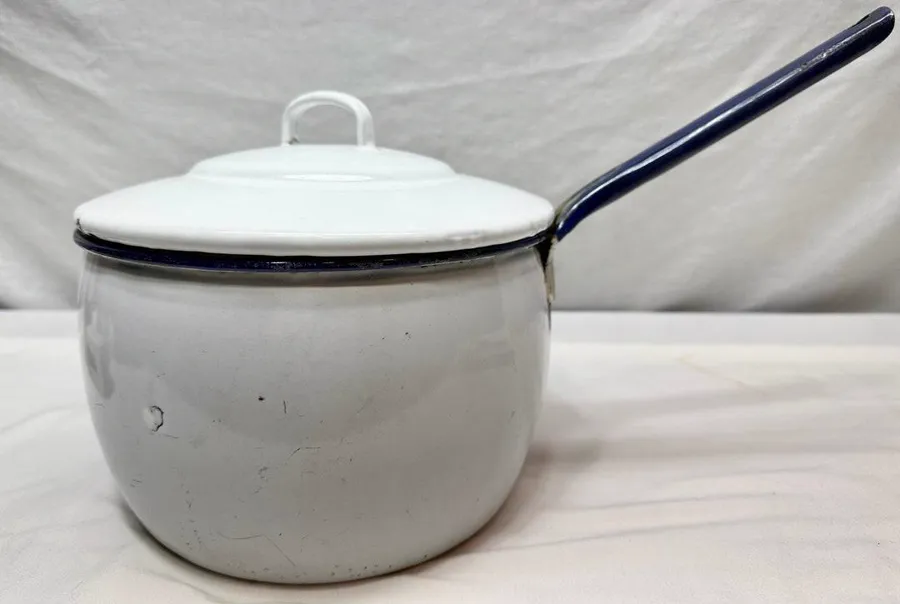
Vitreous enameling dates back thousands of years, first associated with jewelry and decorative objects. Its use on iron cookware began to develop in Europe in the 18th century and gained industrial importance throughout the 19th century.
As industrial production grew, enamelware earned a prominent place in the kitchen. Pots, teapots, milk pans, mugs and roasters became everyday items, valued for easy cleaning, protection of the metal against corrosion and a variety of shapes and colors.
In Brazil, these items also became part of many families' fondest memories. The classic white pieces with blue rims, colorful mugs and enameled pots evoke home cooking, recipes passed down through generations and time shared around the table.
With the rise of aluminum, stainless steel and non-stick coatings, enamelware began to share space with newer materials. However, its blend of tradition, durability and visual identity remains relevant.
Enamelware's return to the modern kitchen
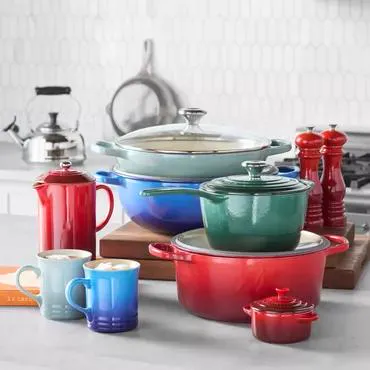
Today, enameled cookware fits a trend that values durable products, timeless design and emotional connection.
Home décor publications highlight renewed interest in retro-looking cookware, colorful pieces and items that are both functional and decorative.
The variety of finishes lets these products be used in traditional kitchens as well as in modern, sophisticated spaces. Pots and roasters can go straight to the table, while mugs, cups and other pieces add a distinctive touch to food presentation.
This renewed appreciation also opens opportunities for manufacturers investing in innovation, finish quality and new collections, bringing a traditional technology together with the demands of today's consumers.
Main advantages of enamelware
Protection and safety in food contact
Food-grade porcelain enamel forms a barrier between food and metal, with good resistance to acidic foods. Properly manufactured products that meet safety requirements provide a suitable surface for cooking and serving meals.
Easy cleaning and hygiene
The smooth, low-porosity surface makes it harder for residue to stick and easier to clean, making the cookware practical for everyday use.
Strength and durability
The coating protects the metal against corrosion and resists everyday wear well. With proper care, an enameled piece can stay in use for many years.
Versatility in the kitchen
Depending on the design and the manufacturer's specifications, the cookware can be used on different types of stoves and in the oven. Enameled cast iron, in particular, combines heat retention with an easy-care surface.
Beauty and a variety of finishes
Vivid colors, gloss and decorative options turn cookware into a centerpiece, linking food preparation with table presentation.
Potential for long use
A long service life and a recyclable metal base are relevant features for more conscious consumption. The actual environmental benefit depends on how each product is made, how long it lasts and how it is disposed of.
Enamelware compared with other materials
Each material has its own characteristics. Aluminum stands out for being light and conducting heat well; stainless steel, for mechanical strength; and non-stick coatings, for easy food release.
Enamelware offers a unique combination: the strong structure of metal, a low-porosity glassy surface, corrosion protection and the design freedom that colors and finishes provide.
Unlike many organic non-stick coatings, porcelain enamel is an inorganic material. However, it should not automatically be considered non-stick, and impacts or thermal shock can damage its surface.
Conclusion: a choice that unites tradition and innovation
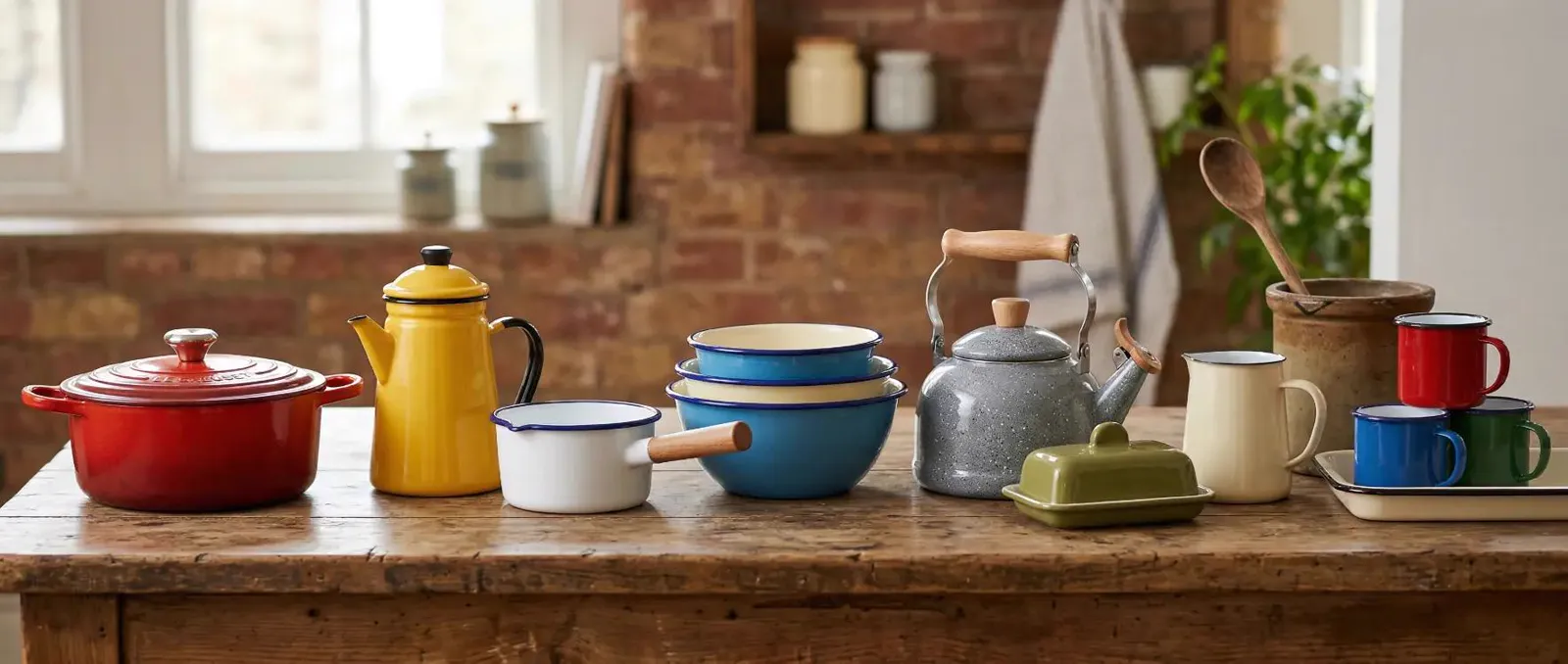
Enamelware shows that tradition and technology can go hand in hand. Its history, built over generations, finds new possibilities in a market that values quality, function and product identity.
Among the different options available, enameled iron and steel cookware stands out for combining features rarely found together in one product: structural strength, glassy protection, easy cleaning, durability and great aesthetic versatility.
More than an alternative to conventional cookware, enamelware is a choice that combines beauty, practicality and the potential for a long service life. It is a technology that keeps the best of its tradition while continuing to evolve to meet the needs of today's kitchens and those of generations to come.