



Application process
Electrostatic Powder
In dry electrostatic powder application, the powdered enamel is charged by a negative direct current with a voltage of 60 to 100 kV applied to a corona-type electrode. Under these conditions, electrons are emitted and accelerated toward the grounded workpiece. On impact, ions are formed from the constituents of the surrounding air — mainly negatively charged oxygen and nitrogen ions. While the nitrogen ions are attracted to the electrode and lose their charge, the oxygen ions fill the space between the workpiece and the spray gun.
The enamel is transported from its reservoir through a fluidized bed to the electrode, where it accumulates a negative charge up to its maximum. After leaving the gun, the particles travel toward the anode through the combination of aerodynamic and electrical forces, at a speed of roughly 6 to 10 m/min.
The deposition of the enamel particles generally follows a non-uniform flow through the electromagnetic field imposed by the turbulent air.
The negatively charged particles adhere firmly to the metal.
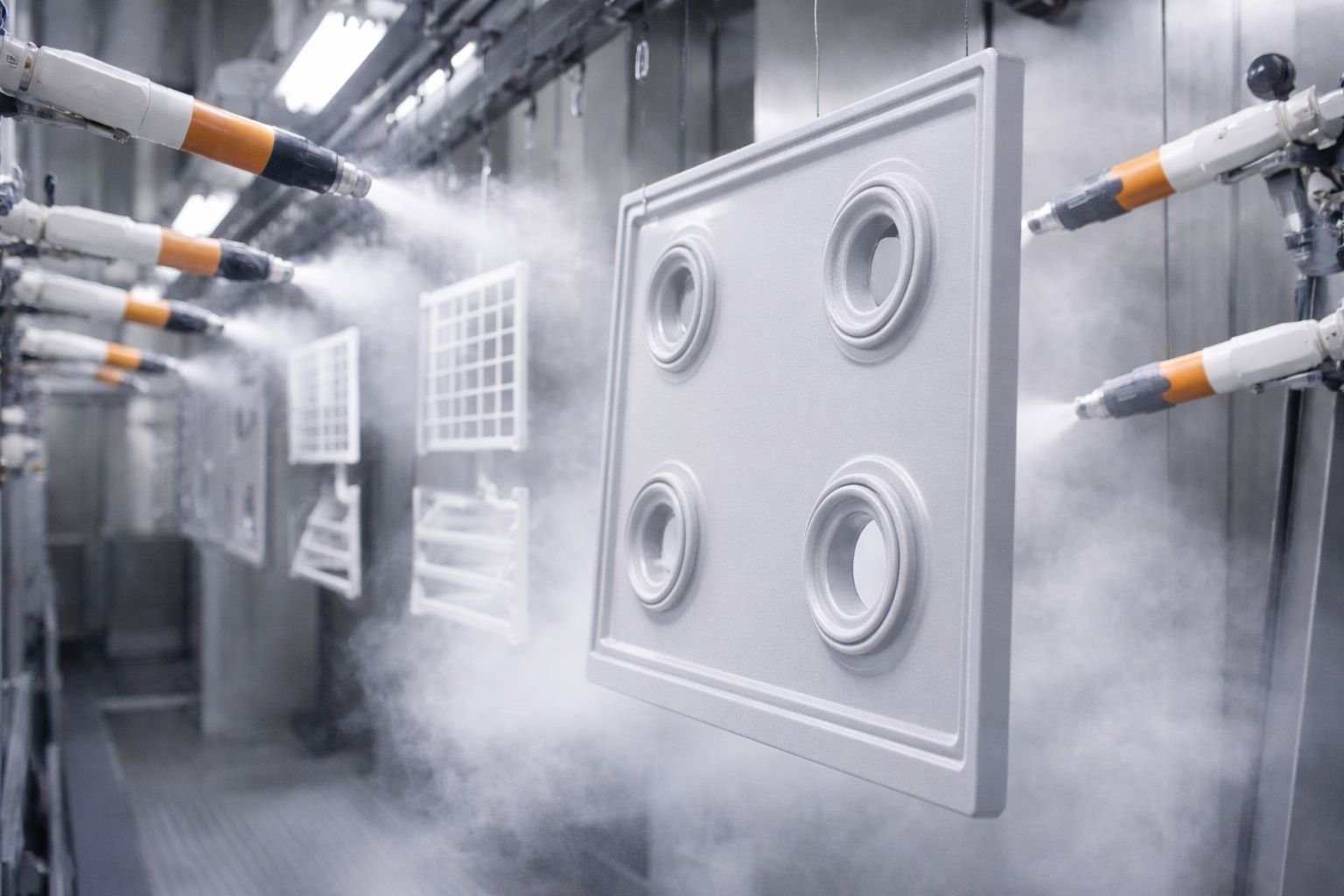
To prevent the rapid dissipation of electrons through the metal, the enamel must have a high surface resistivity. For this reason, the particles are coated with hydrophobic silicone, which also provides adhesion through chemical interaction.
In practice, there is a defined balance between powder adhesion and flowability, depending on the equipment, the applied voltage, the climate and the geometry of the parts.
The characterization of enamels for electrostatic application is as follows:
| Property | Specification |
|---|---|
| Flowability | 70–150 g/30 s |
| Adhesion | ≥ 60% (after 15 min) |
| Deposition | 30–40% |
| Penetration | Depends on part geometry |
| Surface resistivity | ≥ 1×10¹⁴ Ω·cm |
| Particle size distribution | 10–80 µm (D̄ 15–20 µm) |
| Separation effect | Kept to a minimum |
Advantages
- No degreasing of parts required;
- Minimal waste;
- High productivity and full automation;
- No dryer needed;
- No water consumption and no liquid effluent generated throughout the entire process;
- High performance and top-quality finishes.
Product
Enamels
Vitreous enamels can be applied to steel sheet in three main ways:
- Dipping
- Flow coating
- Spray
Beyond the application method, the type of part or application is key to determining which method to use.
The most common families of enamels are:
- Ground Coat Enamels: Serve as a base to receive a cover coat or a self-cleaning enamel, and can be applied in two coats/one fire or two coats/two fires.
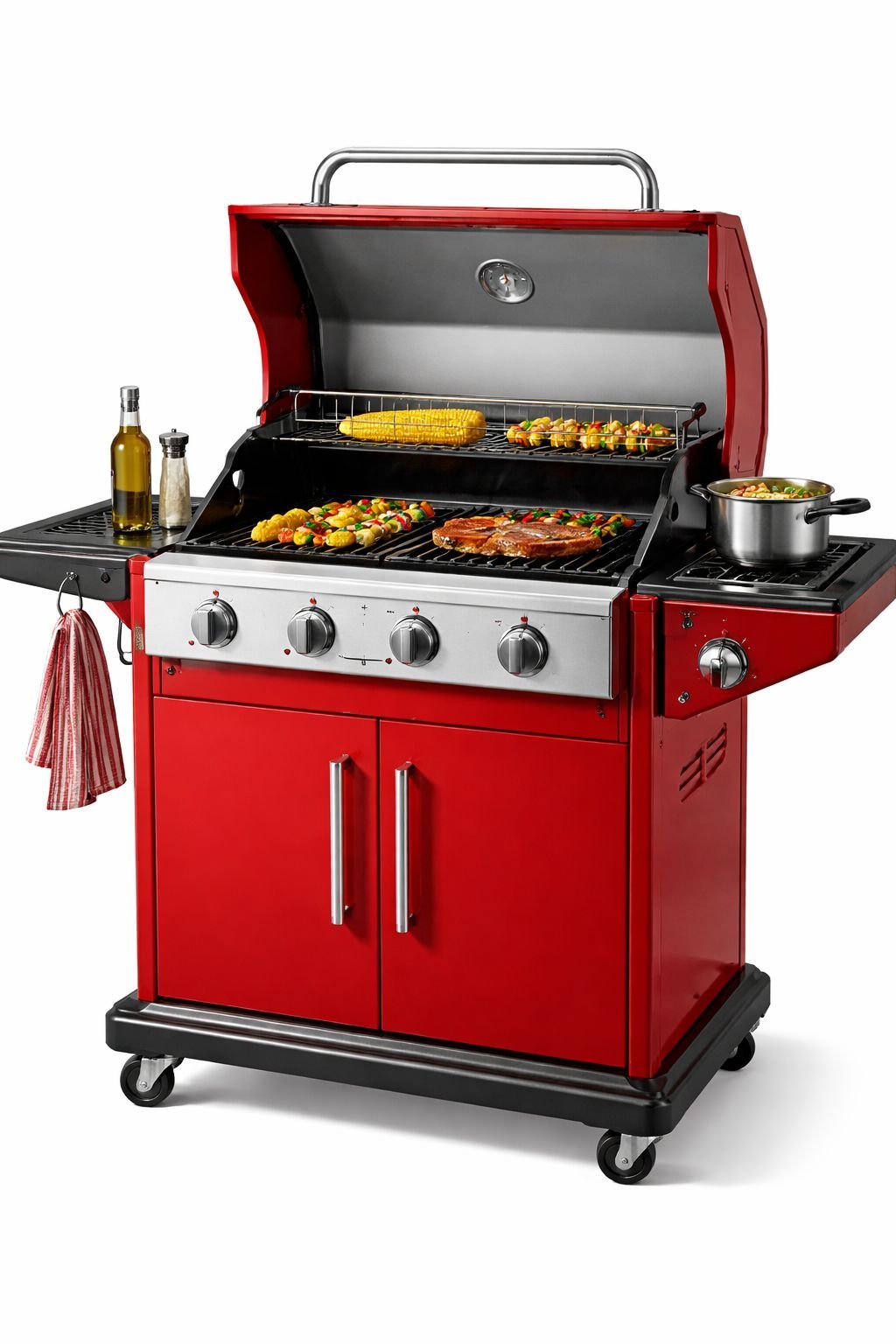
- Flux Enamels: Enamels used as a final cover coat, typically applied on flat sheet, cookware, barbecue grills and other products.
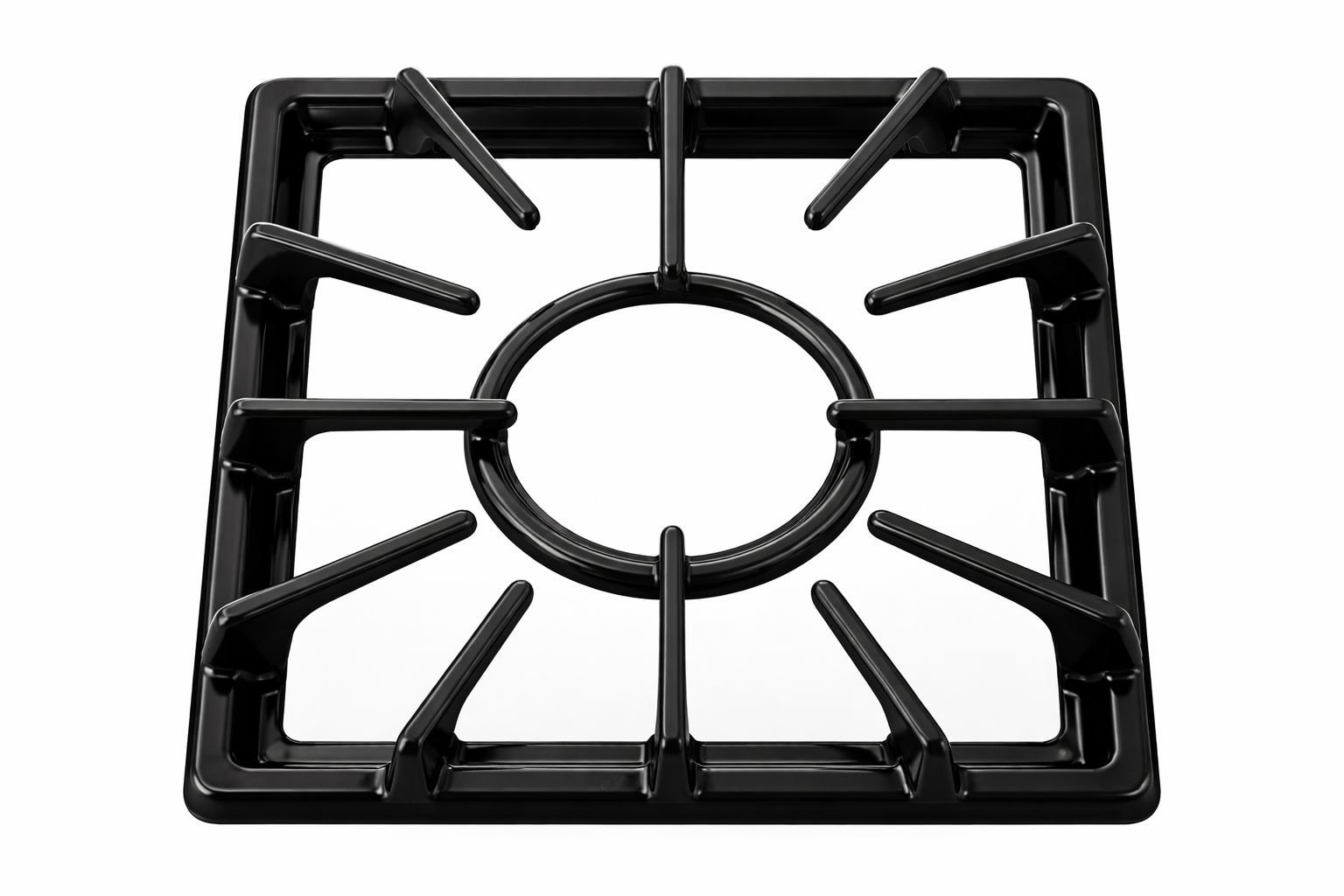
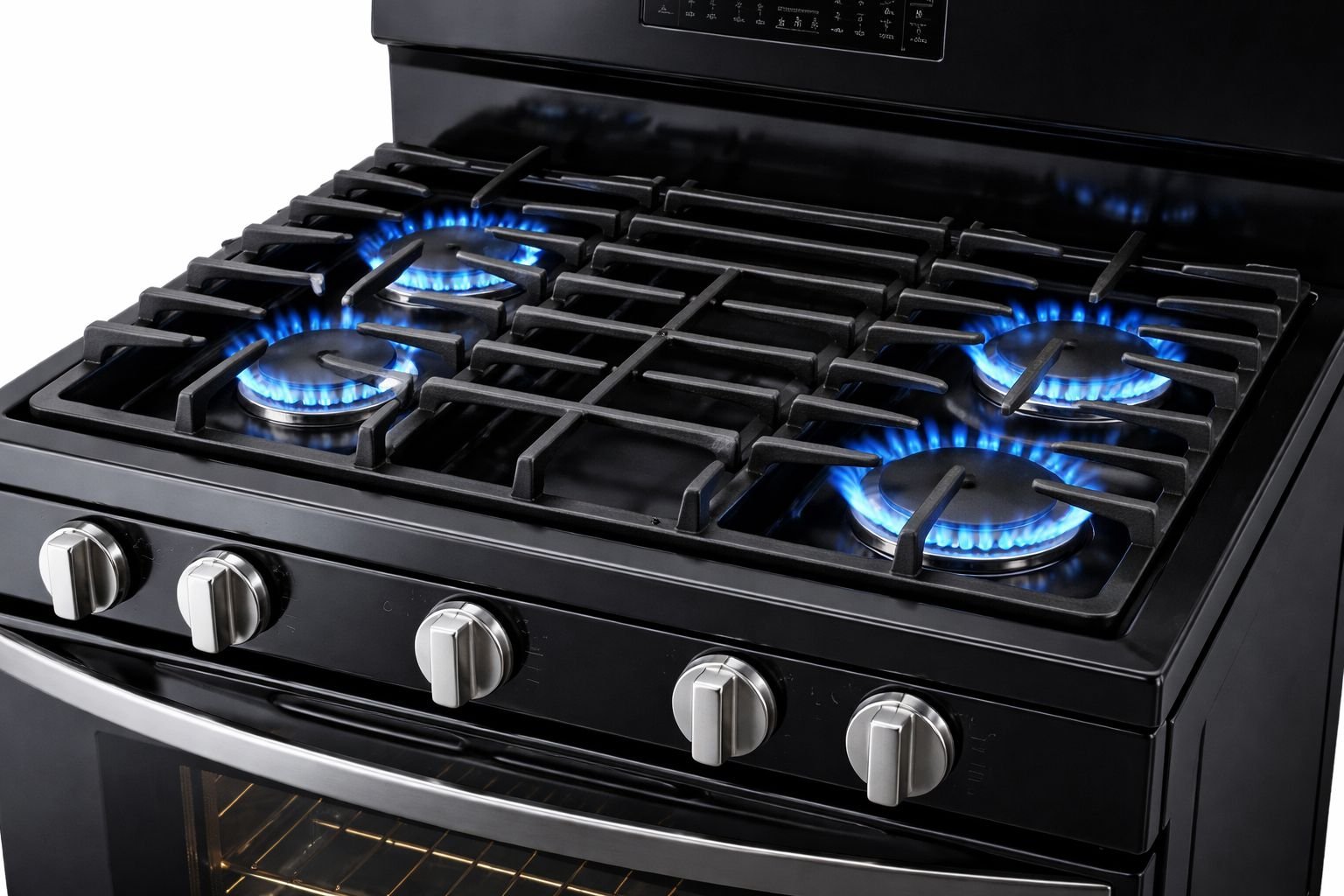
- Enamels for Wire Racks and Pan Supports: Offer high flame resistance, thermal shock resistance and excellent adhesion, typically used on steel or cast iron wire racks and pan supports.
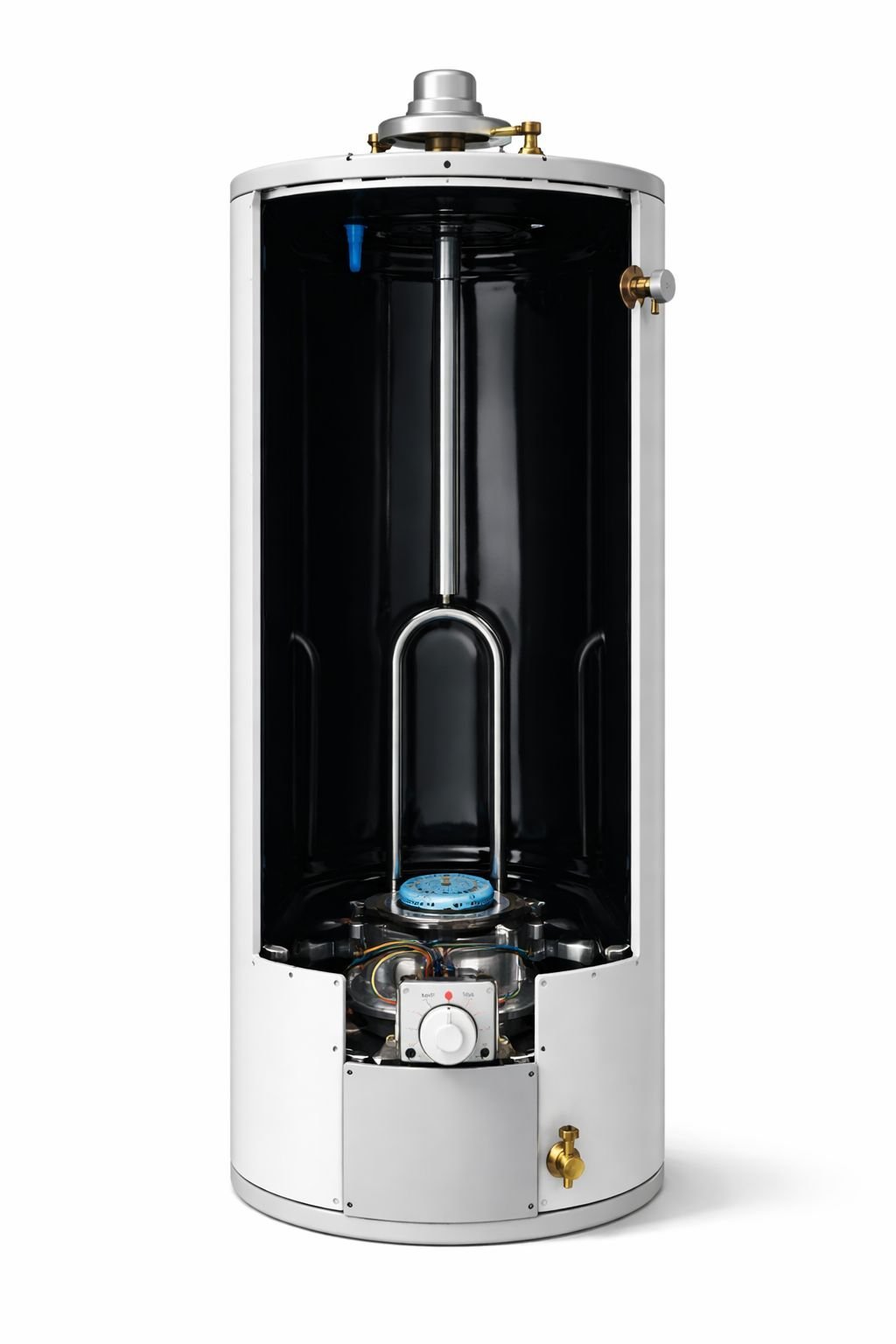
- Direct-On Enamel: Designed for direct application in one coat/one fire, it offers acid resistance and is typically used on flame spreaders, exposed parts, cookware, water heater tanks and other products.
Product
Cover Coat Enamel
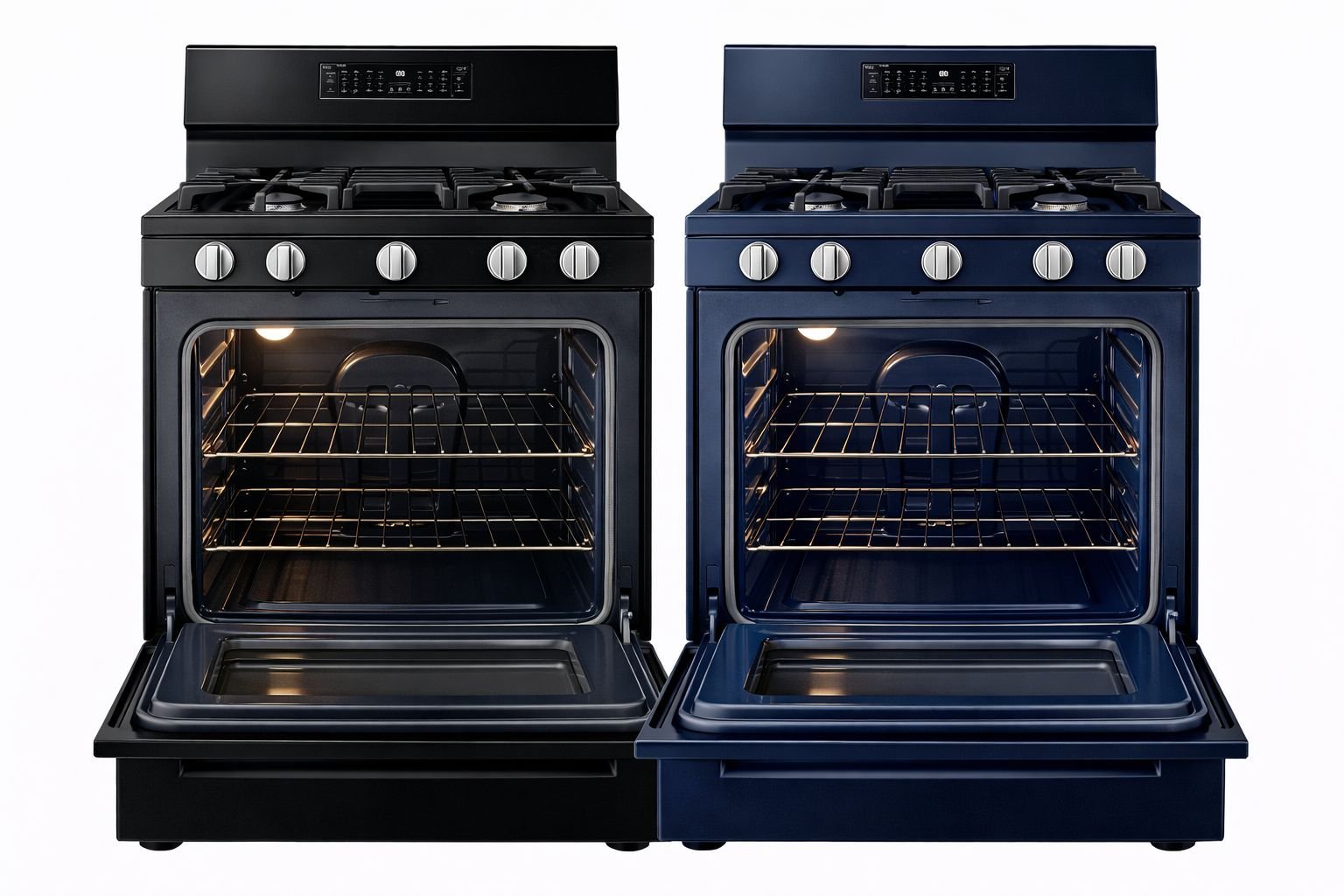
Cover coat enamels are applied over a ground coat to provide the finish and achieve different colors. They are widely used on products that require high durability, scratch resistance and easy cleaning, such as cookware, wood-burning stoves, fireplaces, bathtubs, signage plates and architectural panels.
VASISQUE offers a wide variety of colors in its portfolio and customizes colors to match each customer's project, providing true exclusivity for your design.




Product
Frits
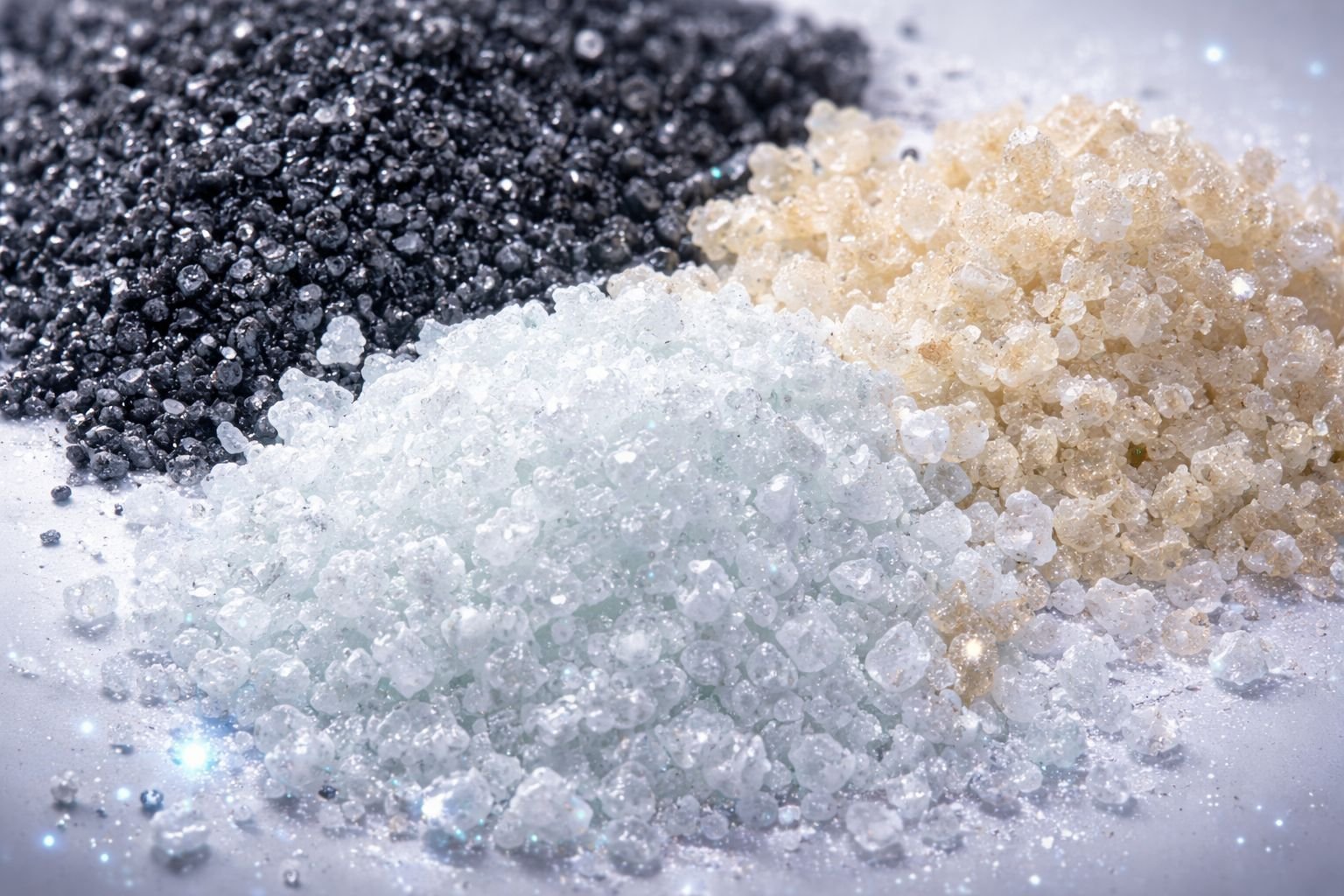
We produce and sell different types of frits for steel sheet, aluminum and cast iron.
Flux frits, CoNi, nickel-free, acid-resistant direct-on frits (RA, RA+, RAA), transparent and semi-transparent frits, glossy and matte whites.
Raw material
Raw Materials
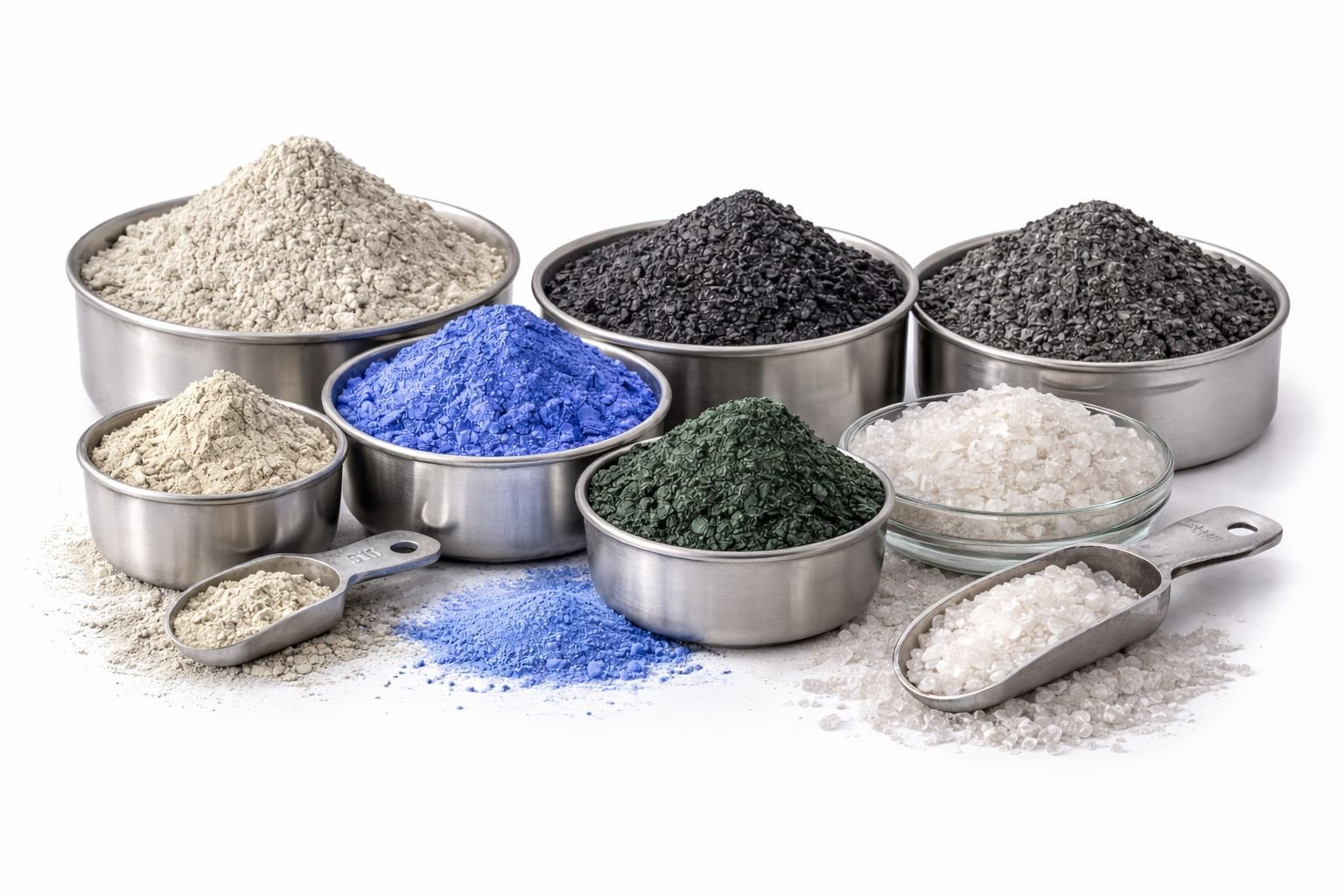
We offer a complete line of raw materials for mill additions and other applications.
See our portfolio below:
- Clays
- Bentonite
- Quartz
- Alumina
- Feldspar
- Sodium Nitrite
- Sodium Fluorosilicate
- Sodium Molybdate
- Fluorspar
- Borax Pentahydrate
- Sodium Carbonate
- Calcium Carbonate
- Magnesium Carbonate
- Potassium Carbonate
- Lithium Carbonate
- Strontium Carbonate
- Barium Carbonate
- Cobalt Oxide
- Nickel Oxide
- Copper Oxide
- Iron Oxide
- Manganese Oxide
- Zinc Oxide
- Magnesium Oxide
- Cerium Oxide
- Antimony Trioxide
- Titanium
- Zirconium
Raw material
Pigments
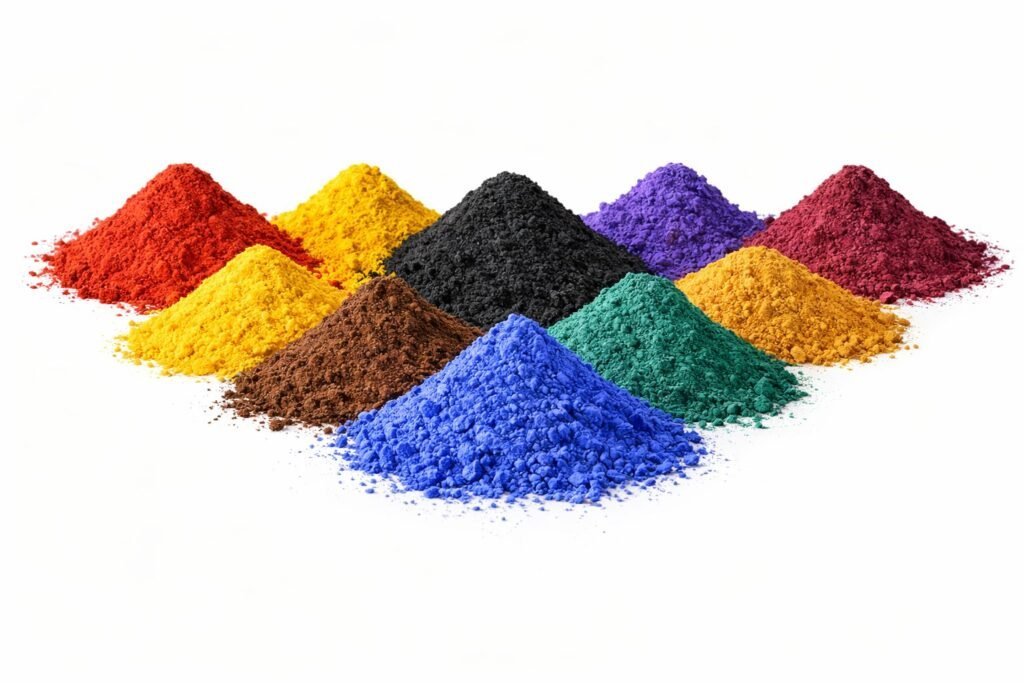
We offer a complete line of inorganic pigments compatible with our enamel and frit lines — contact us for more information.