




Definition
What vitreous enamel is
Enamel coating — also known as porcelain enamel or vitreous enamel — is powdered glass fused onto a metal substrate.
The composition is generally borosilicate, applied to steel, cast iron or aluminum and fired at temperatures between 550 and 850 °C. The fusion creates an inert, non-porous surface that resists corrosion, scratching and heat.
- 550–850 °C
- Firing range
- Borosilicate
- Glass base of the composition
- Steel, cast iron, aluminum
- Metal substrates served
Properties
What enamel delivers
- Durability
- High resistance to scratches, chemicals and high temperatures.
- Hygiene
- A non-porous, non-toxic surface that is easy to clean.
- Non-stick
- A natural property of the vitreous finish, which keeps food from sticking.
- Color stability
- Colors that do not fade over time, even when exposed to the weather.
Applications
Where enamel is used
The same principle serves everything from household items to industrial process equipment. These are the six segments we supply.
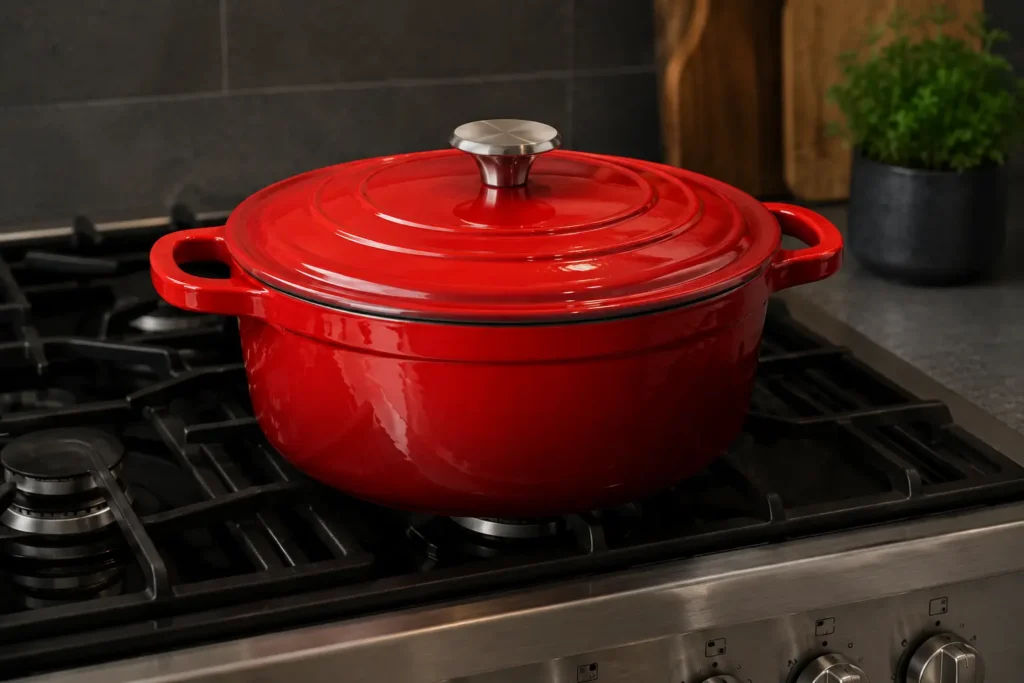
Pots, bakeware and bowls, where the surface must be durable, non-toxic and food-safe.
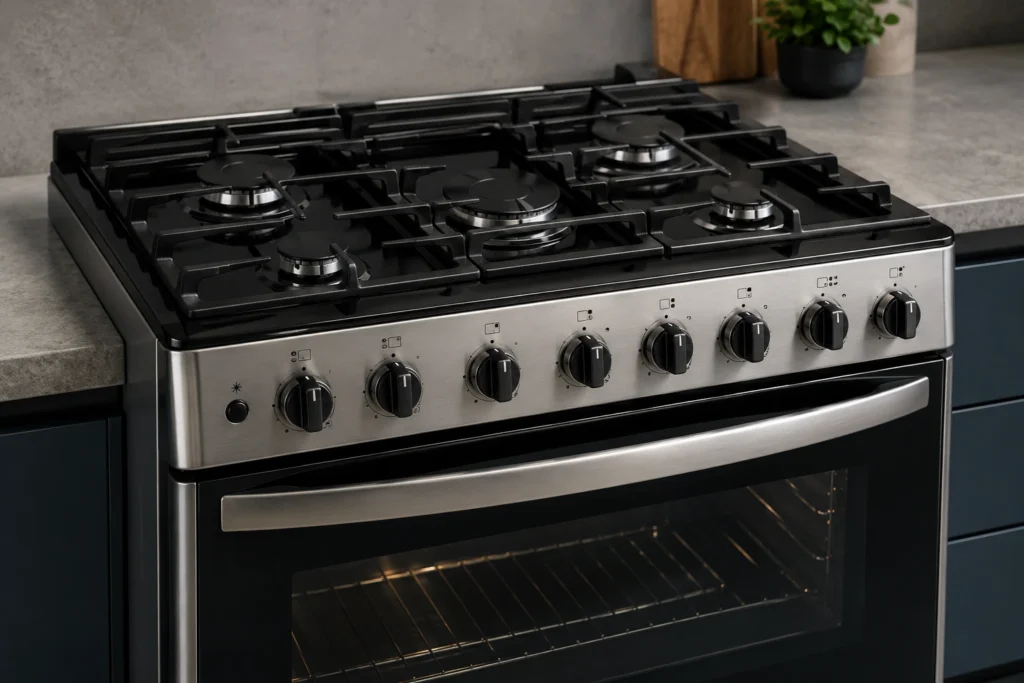
Interior surfaces of ovens, cooktops, barbecue grills and washing machines.
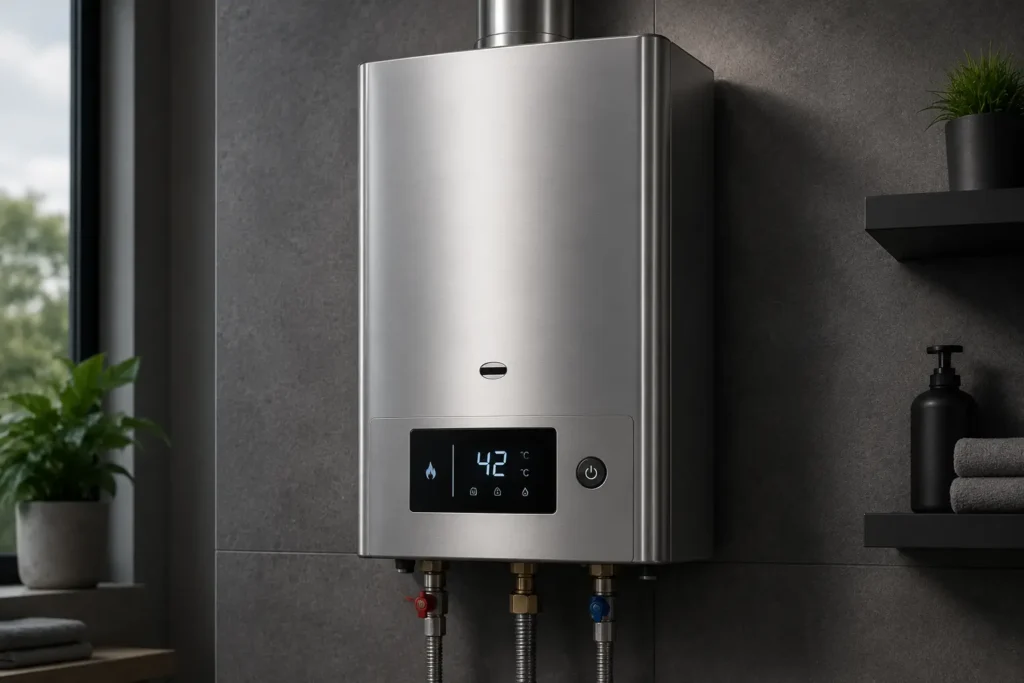
Water heater tanks, gas-gas heaters (GGH) and heat exchangers.
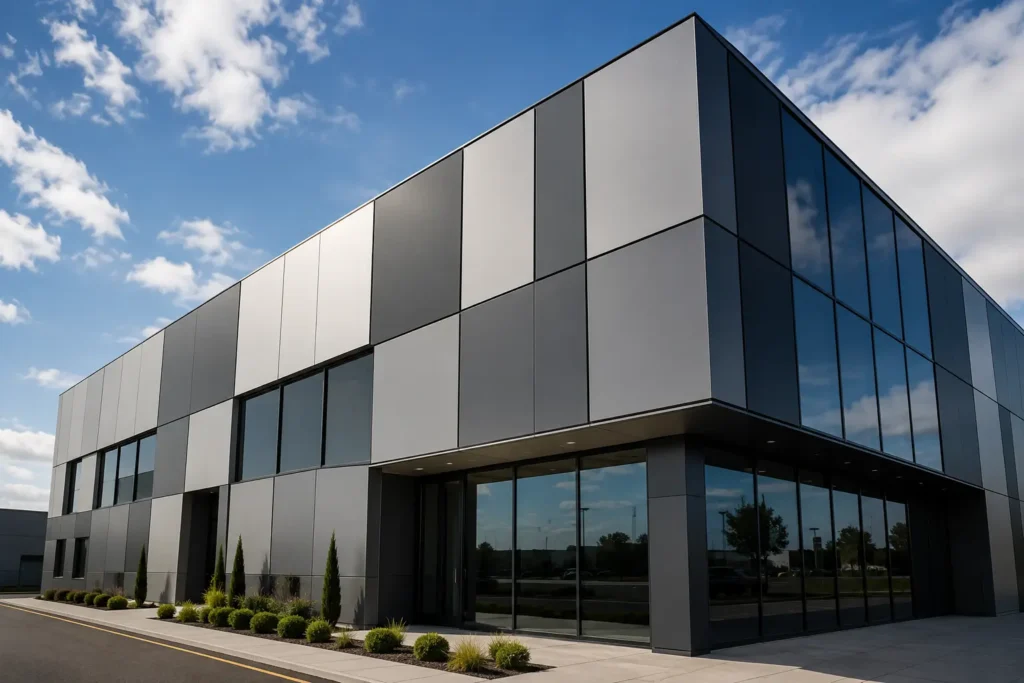
Panels for facades and subway stations, where color has to last outdoors.
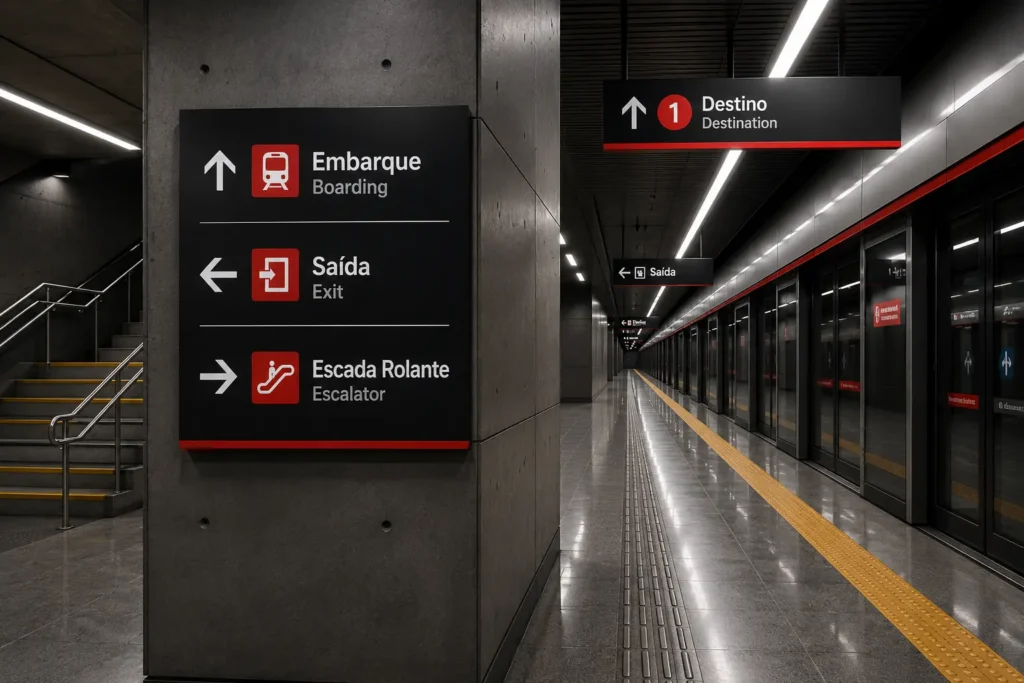
Signs and panels with color stability and resistance to weathering.
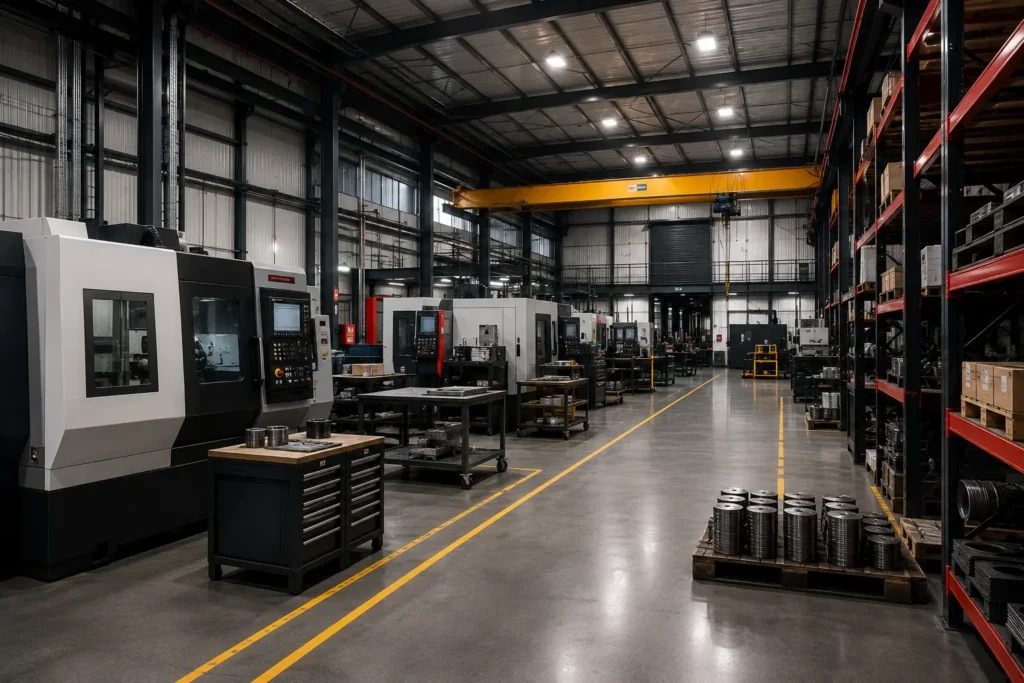
Enamelled reactors and sanitary ware, in chemically demanding environments.